UK car depreciation by body type and fuel in 2026
Estates depreciate hardest, hybrids hold value best. Here's the 2026 three-year depreciation table for every major UK body type.
By Dean Griffiths · Published
Why this matters
Depreciation is the biggest cost of car ownership — typically 2–3x the cost of fuel, insurance and servicing combined over three years. The car you buy and how long you keep it dictate ownership cost more than driving style or care. Picking a 35% depreciator over a 55% depreciator on a £20,000 car saves £4,000 over three years.
Three-year depreciation by body type (2026)
Typical range for a £20,000 new-list car kept three years to 30,000 miles.
- Compact SUV (Karoq, Tucson, Kuga): 38-48% depreciation. Strongest demand in the segment.
- Full hybrid (Yaris, Corolla, RAV4, Jazz): 35-42%. Best in market.
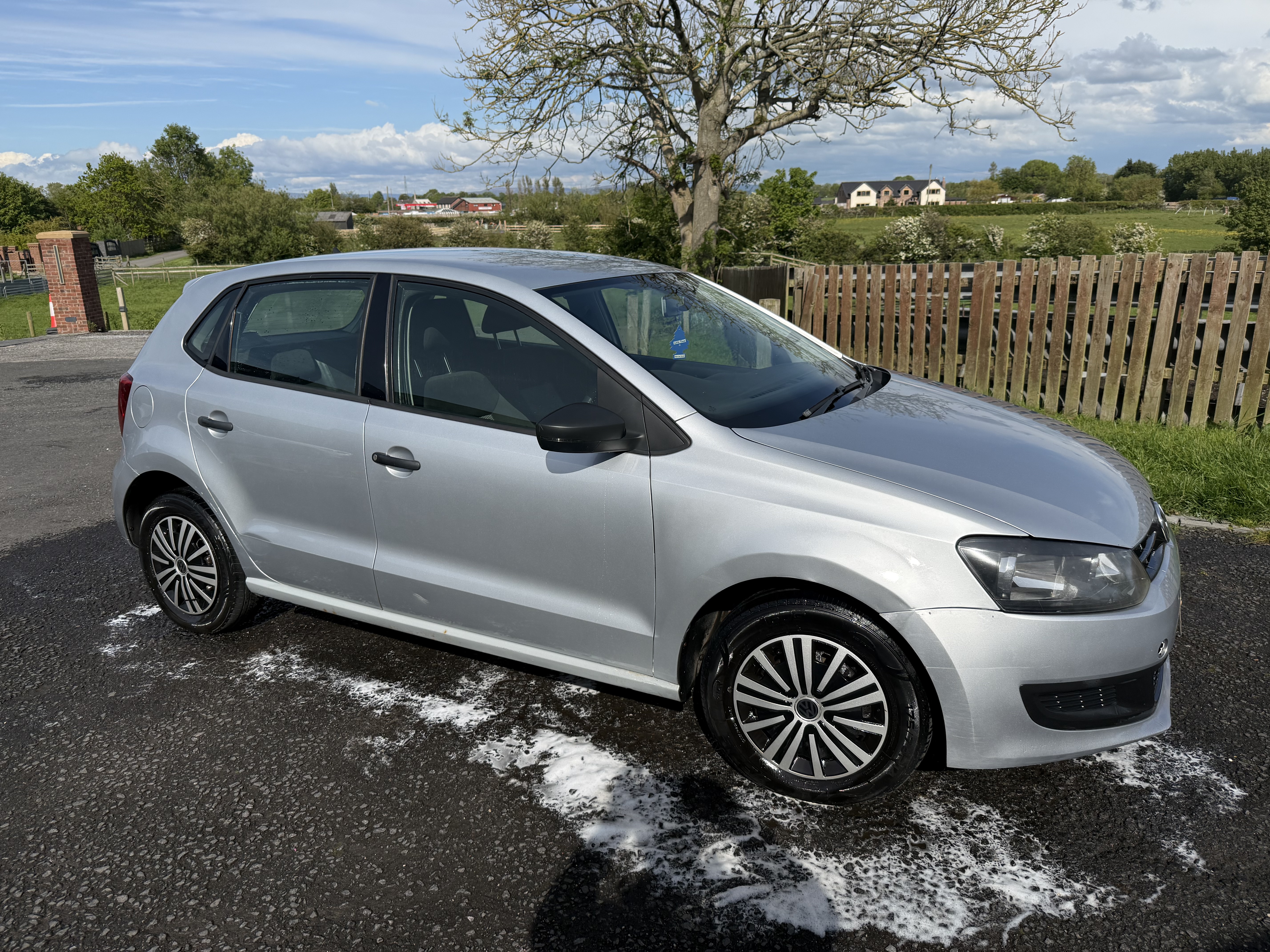
- Petrol hatchback (Polo, Fiesta, Corsa): 42-52%.
- PHEV (Outlander, Kuga, 330e): 45-55%. Improved from the 2023 low but still soft.
- Petrol saloon (3 Series, A4, C-Class): 45-55%.
- Estate (Octavia, Passat, V60): 48-58%. Slightly worse than the saloon equivalent.
- Used EV — premium (Tesla Model 3, Kia EV6): 38-48%.
- Used EV — older / mainstream (Leaf, Zoe, e-208): 55-70%. Substantial residuals risk on early units.
- Diesel (Euro 6, post-2017): 50-60%.
- Diesel (pre-Euro 6): 60-75%. Avoid for resale-conscious buying.
Brand premium and penalty
On the same body type, three-year residuals vary by ±5-8% based on brand. Toyota and Honda hold the strongest residuals across hybrids and small cars (~5-7% above segment average). Kia / Hyundai are 2–4% above average inside warranty. BMW and Mercedes hold residuals well on saloons but penalise estates and hatches. Renault, Citroen and Vauxhall typically run 4–6% below segment average.
The mileage and condition multipliers
Mileage above 12,000/year accelerates depreciation by ~3–4% per 5,000 miles over average. Condition (paint, interior wear, service history completeness) swings residuals by ±5%. A perfectly-cared-for car with a full main-dealer history sells for 8–10% more than a same-spec example with partial history at three years.
Buying for low depreciation
Three rules. Buy a 2-year-old car instead of new — the steepest depreciation has already happened; year 3 onwards loses 8–12% per year vs 18–22% in year 1. Stick to top-three sellers in each segment for liquidity at resale. Prioritise full hybrids and high-spec mainstream SUVs over saloons and estates if resale matters more than driving feel.
The takeaway
Want strong residuals? Buy a 2-year-old Toyota Yaris hybrid, Skoda Karoq or Hyundai Tucson. Want to lose the most money? Buy a brand-new diesel saloon or an early-generation small EV. Across UK used-car ownership, body type + fuel type + brand explains roughly 80% of depreciation.
Frequently asked questions
Frequently asked questions
Should I always buy the car with the lowest depreciation?
No — only if you're changing every 3-5 years. If you keep the car 8+ years, depreciation matters less per year, and a car you actually enjoy or that fits your life is worth more than the residuals saving. Optimise depreciation when the ownership horizon is short.
Does colour affect depreciation?
Yes, mildly. White, grey and black hold value best in most segments. Bright colours (red, yellow, blue) cost 1–3% extra to sell on. Unique special colours (e.g. Lime Squeeze on a Fiesta) can occasionally appreciate among enthusiasts.
Why do EVs depreciate so unpredictably?
Battery state of health (SoH) introduces an additional variable that doesn't exist for ICE cars. Two identical 4-year-old EVs can be worth £3,000 apart based on battery condition alone. The market is still pricing this in — most depreciation tables undercook used EV variance.
Related guides
- Electric vs hybrid vs diesel in 2026: which used car holds its valueResidual values for each powertrain diverged hard since 2023. Here's where they stand in 2026 and which type is the better used-car bet.
- Best used family SUVs under £15,000 (UK 2026)Under £15k buys a properly capable five-year-old family SUV in 2026. Here's the shortlist by reliability, running cost and Isofix flexibility.
- How to value your car before you part-exchange itA dealer's part-exchange offer leans on two numbers you can find yourself. Here's how to use them to set a floor and walk out with a fair deal.
Used cars under £10,000 you can buy right now
Verified UK dealers. Honest pricing. Free DVLA checks.